~ by Paul Cibulka, Sales Representative – U.S. Great Lakes Region
When publishers think about a new title, most of the early discussion revolve around content, cover design, marketing, and launch plans. Yet some of the decisions that have the biggest impact on cost, schedule, and reader experience are manufacturing decisions made long before the files ever reach the press.
Choices such as trim size, paper specifications, binding, and manufacturing approach have far-reaching effects on production efficiency, scheduling, cost management, and reader experience. A little planning up front can prevent a lot of headaches later.

SMALL DECISIONS CAN HAVE A BIG IMPACT
Many manufacturing choices seem straightforward at first. Take trim size, for example. It might feel like a design decision, but it can also affect page count, paper usage, binding options, and production efficiency. Even a modest change in size can influence how a book feels in a reader’s hands and how efficiently it can be manufactured.
The same is true for paper. Weight, bulk, opacity, texture, and shade all contribute to the finished product. They can affect readability, image reproduction, spine width, and overall cost. Publishers often start with a vision for how they want a book to look and feel but achieving that vision usually requires balancing several considerations at once.
PREMIUM FEATURES REQUIRE MORE THAN JUST INSPIRATION
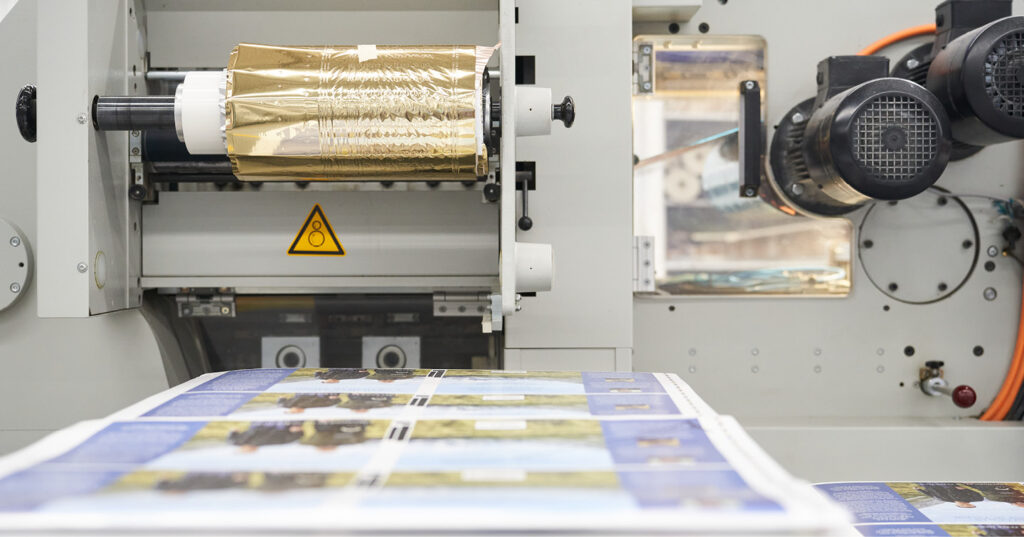
Specialty enhancements continue to be in demand, especially as publishers look for ways to create books that stand out on shelves and online.
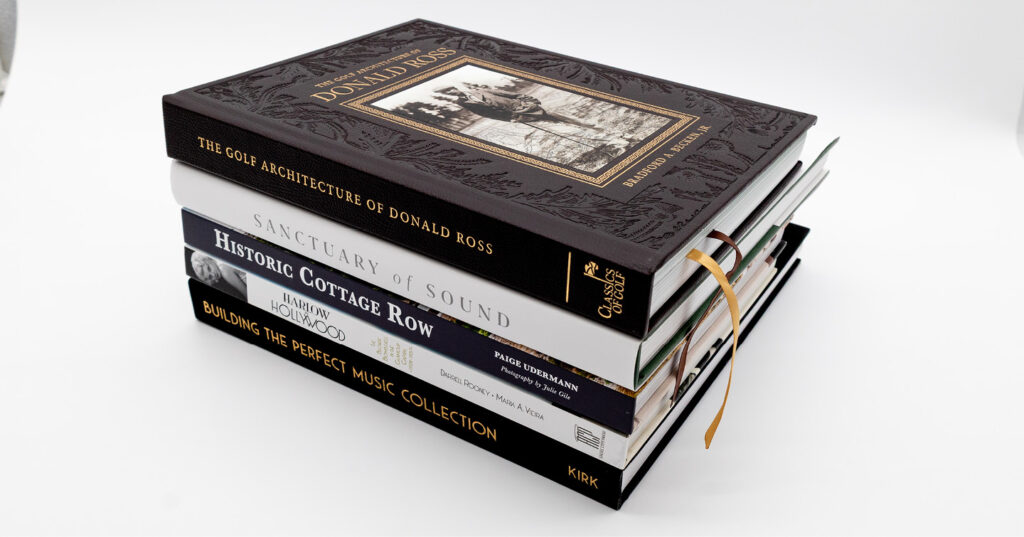
Sprayed edges, foil stamping, embossing, cloth covers, and other premium features can add a distinctive touch, but they work best when they’re considered early in the planning process. The sooner they’re part of the conversation, it’s easier to evaluate options, understand costs, and build realistic schedules around them.
That’s not to say that specialty finishes are difficult. They simply benefit from thoughtful planning, just like any other important part of a book project.
PRINT STRATEGY MATTERS, TOO
Publishing today often requires a different mindset than it did even a few years ago. Some titles still make sense for larger print runs. Others benefit from a flexible approach that allows publishers to react quickly to changing demand, managing inventory levels, or keep backlist titles available without overcommitting to warehouse space.
Advances in manufacturing technology have given publishers more options than before. Understanding those options early helps ensure the production strategy supports the broader goals of the project.

BUILDING TIME INTO THE PROCESS
Nearly every book has a deadline attached to it. A launch event. A conference. A seasonal sales window. A major marketing campaign.
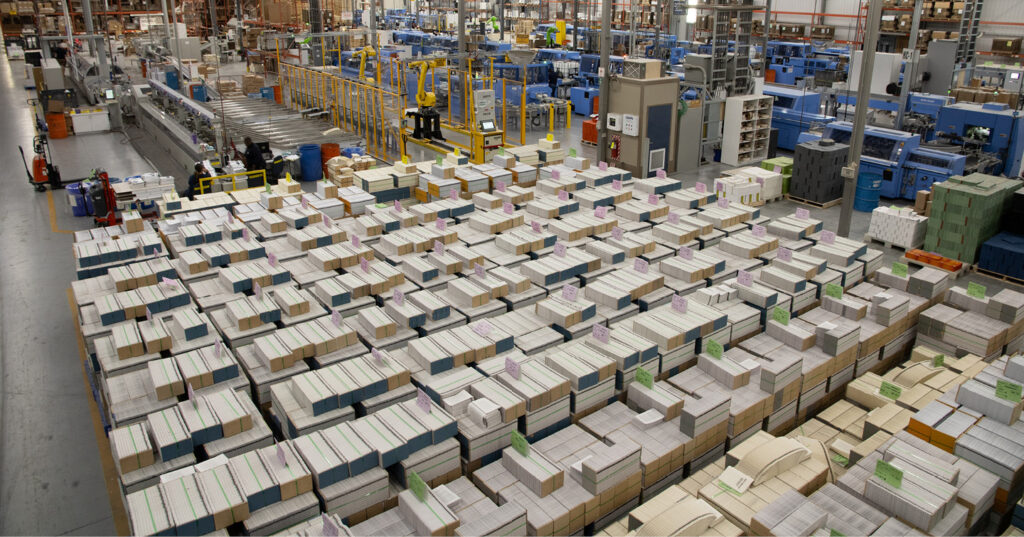
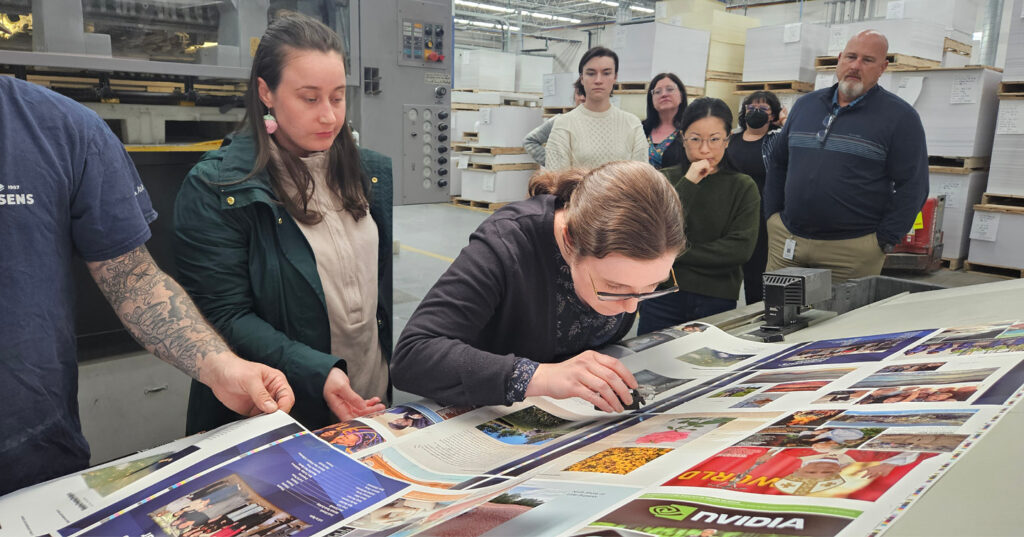
When a release date is fixed, planning becomes even more important. Manufacturing involves many moving parts, from prepress and printing to binding, finishing, and packaging. Building those realities into the schedule from the beginning can make the entire process smoother and less stressful.
BETTER PLANNING LEADS TO BETTER OUTCOMES
There’s a reason experienced publishers start talking about manufacturing early. It’s not because they enjoy discussing paper weights and bind styles. It’s because they know those decisions have a direct impact on the final product.
When manufacturing considerations are part of the conversation from the start, it’s easier to align the creative vision, budget, timeline, and reader expectations. Publishers gain a clearer picture of what’s possible, and production teams have more opportunities to help bring that vision to life. The result is rarely just a smoother production process. More often, it’s a better book.

Paul Cibulka serves publishers throughout the U.S. Great Lakes Region, helping them navigate the book manufacturing process and find solutions that align with their publishing goals. With a strong understanding of Friesens’ capabilities, he helps customers evaluate their options and choose the best path forward for each project. Outside of work, Paul enjoys spending time with family, golfing, reading, and trying new things.