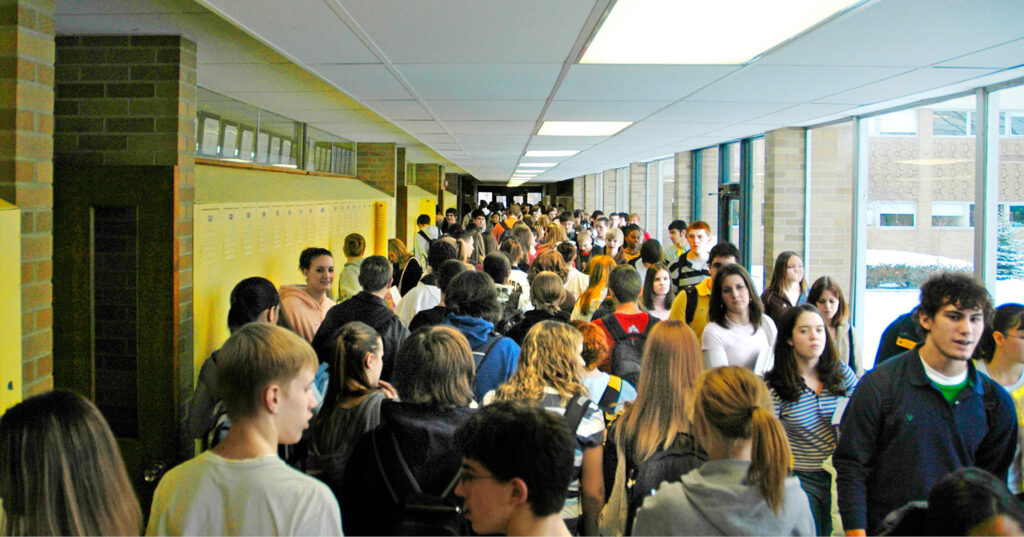
Across North America, more schools are introducing restrictions on student cell phone use during the school day. For many yearbook teams, that raises an immediate concern: how are we supposed to get photos now?
If your team has relied heavily on student phones to capture events, candid moments, and day-to-day school life, a new policy can feel like a major obstacle. The good news is that great yearbooks were being created long before smartphones existed, and there are still plenty of ways to build strong photo coverage.
The key is adjusting your process, not lowering your expectations.

START WITH DEDICATED PHOTO EQUIPMENT
If your school has a DSLR, mirrorless camera, point-and-shoot camera, or even tablets available, now is the time to put them to work.
Create a simple checkout system that allows photographers to sign out equipment for games, performances, assemblies, and other events. You don’t need a huge collection of cameras, even one or two shared among staff members can make a big difference.
As a bonus, students often discover that dedicated cameras produce higher-quality photos than a phone, especially in gyms, auditoriums, and low-light settings.
BUILD A NETWORK OF PHOTO CONTRIBUTORS
Your yearbook staff can’t be everywhere at once, and they don’t have to be. Teachers, coaches, parents, and officed staff are already attending events and taking photos. Invite them to become part of your photo collection team. Set up an easy submission system using a shared folder, online form, or photo upload tool. The easier you make it, the more photos you’ll receive.
Consider reaching out to:
- Coaches and athletic directors
- Club advisors
- Music and drama teachers
- School administrators
- Parent volunteers
- Field trip chaperones
Many will be happy to help when they understand how the photos will be used.
CREATE EVENT-BASED PHOTO REQUESTS
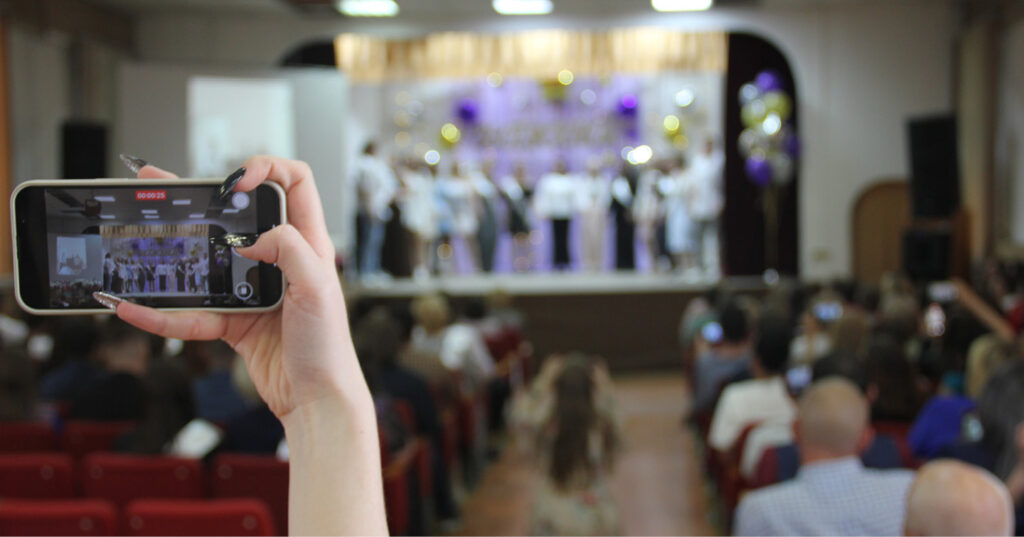
Rather than waiting for photos to arrive, be proactive. After a major event, send a quick message asking for photo submissions. Homecoming, spirit week, field trips, concerts, grad activities, charity events, and tournaments all provide opportunities.
A simple reminder like, “Did you take photos at the pep rally? We’d love to include them in the yearbook. Submit your favourites here!” can generate dozens of useable images.
ASSIGN COVERAGE AREAS
One challenge created by a cell phone ban is reduced spontaneous photography. To prevent gaps in coverage, create a coverage plan. Assign team members to specific areas such as:
- Athletics
- Academics
- Student life
- Fine arts
- Clubs and organizations
- School events
When everyone knows what they’re responsible for, important moments are less likely to be missed.
ADAPT AND KEEP MOVING FORWARD
A cell phone ban may change how your yearbook team collects photos, but it doesn’t change your mission. Your job is still the same: tell the story of the year and make sure students can look back and remember what it felt like to be there. With a little planning, a string submissions system, and support from your school community, your yearbook can continue to capture every important moment, even when the phones stay in your students’ pockets.