Some books are meant to be read, enjoyed, and passed along. Others are meant to be unwrapped.
That shift changes the way a book is designed and produced. A special edition, collector’s book, commemorative title, or beautifully packaged release isn’t simply competing for someone’s reading time. It can become a keepsake, a display piece, or something chosen specifically to give to another person.
So, what takes a book from something you buy to something you give?
IT STARTS WITH THE SENSE THAT THIS BOOK IS SPECIAL
A gift-worthy book usually signals its value before the cover is even opened. That doesn’t mean adding every specialty option available. Often, one or two thoughtful choices can make a bigger impression than piling on embellishments.
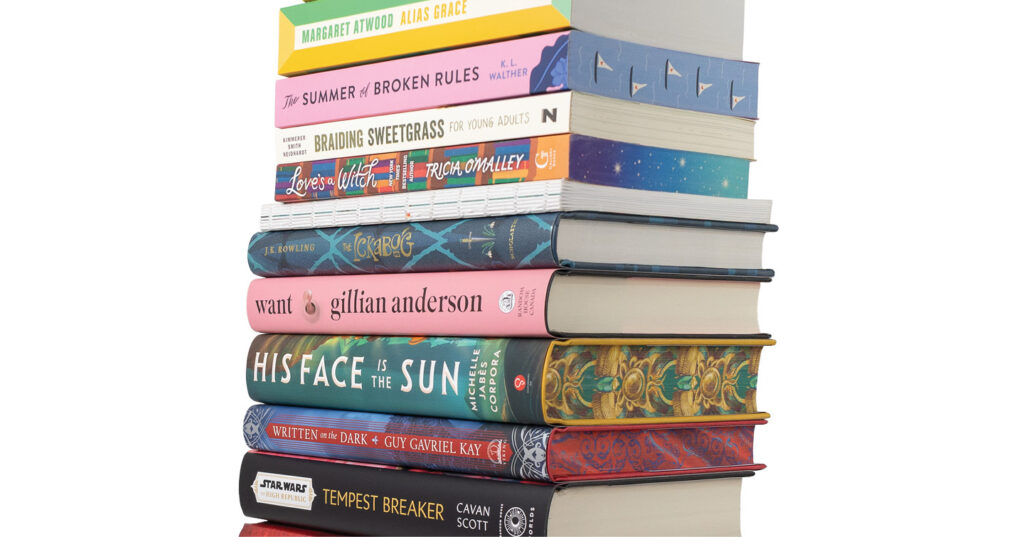
Foil stamping can highlight a title or small design detail. Embossing or debossing adds dimension. Sprayed edges turn another part of the book into a design opportunity. Textured papers, linen finishes, faux leather, and specialty cover materials can completely change how a book feels in your hands.
The key is intention. Each choice should feel like it belongs with the book and its story.
GIVE READERS SOMETHING DIFFERENT
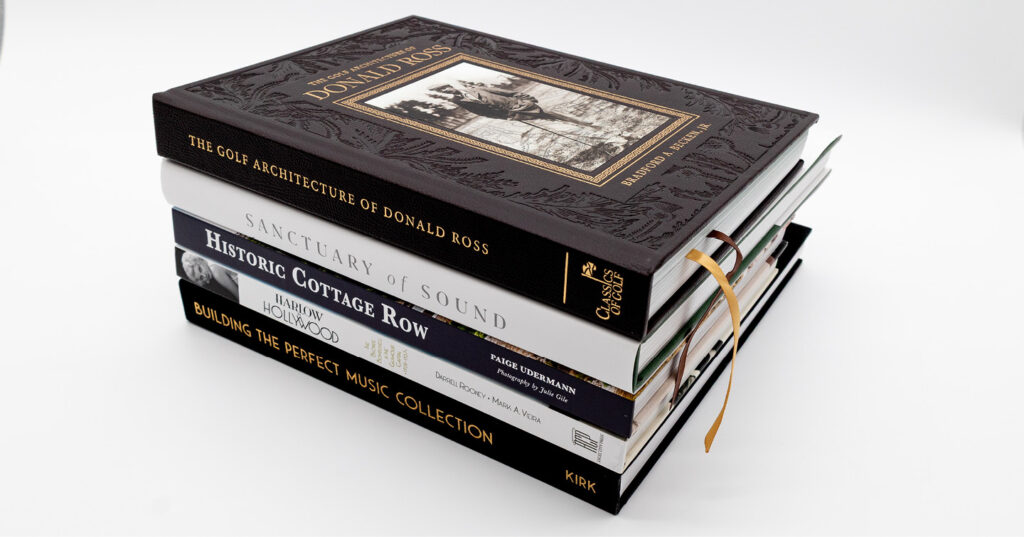
Part of the appeal of a special or collector’s edition is getting something that isn’t available with the standard edition. That difference could be a new binding or cover material, upgraded paper, special endpapers, a tip-in page, a signature, numbering, or a combination of details.
A limited edition can even begin with the same book block as the standard edition and become something entirely different through binding and finishing choices. Numbered copies add another layer of exclusivity. Copy 37 of 300 feels a little different than simply owning another copy of the book. It becomes YOUR copy.
MAKE THE MATERIALS PART OF THE EXPERIENCE
This is where print gets to do something digital simply can’t. The weight of the book. The texture of the cover. The feel of the paper. The colour of the endsheets. The details along the spine and page edges.
Limited and special editions can incorporate heavier or distinctive paper stocks, colourful endpapers, linen, specialty cloths, genuine or simulated leather, and quarter binding that combines different materials on the spine and case.
These details invite people to do more than look at the book. They make them want to pick it up. And when something is being given as a gift, that tactile experience becomes part of the presentation.
DON’T FORGET THE REVEAL
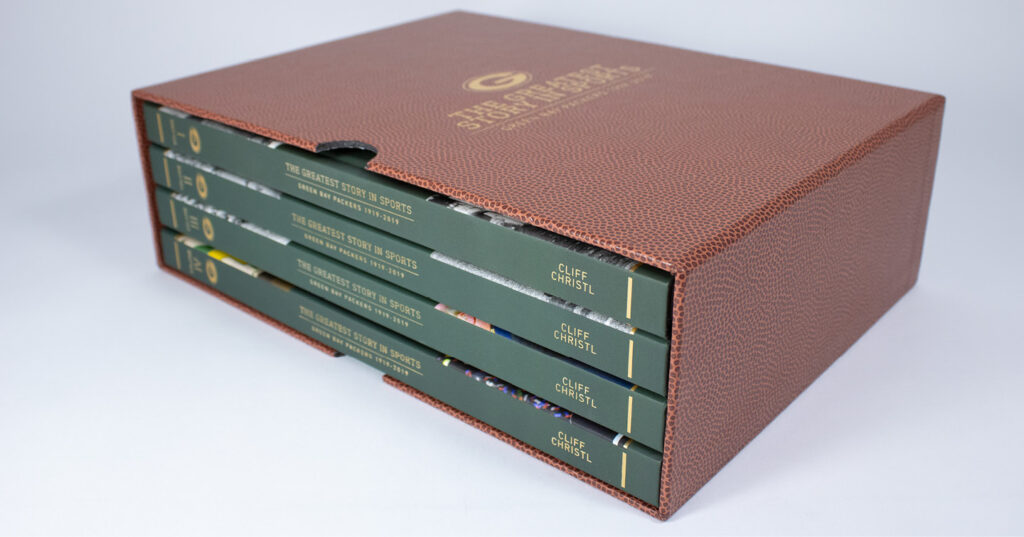
Sometimes the book itself is only part of the experience. A slipcase or book box adds another layer to the presentation, creating a sense of anticipation before the book is even opened. Both options can also help protect the book while giving it a more polished, gift-ready feel. Slipcases work especially well for special editions and multi-volume sets, while book boxes create an unboxing experience that makes the finished piece feel even more considered.
For a collector’s edition, commemorative book, or special release, the packaging becomes part of the overall design, something worth keeping right alongside the book.
SPECIAL DOESN’T HAVE TO MEAN OVERDONE
It can be tempting to think a collector’s edition needs everything: foil, embossing, specialty cloth, sprayed edges, a ribbon, a box.
It doesn’t. Sometimes restraint makes the finished book feel more considered.
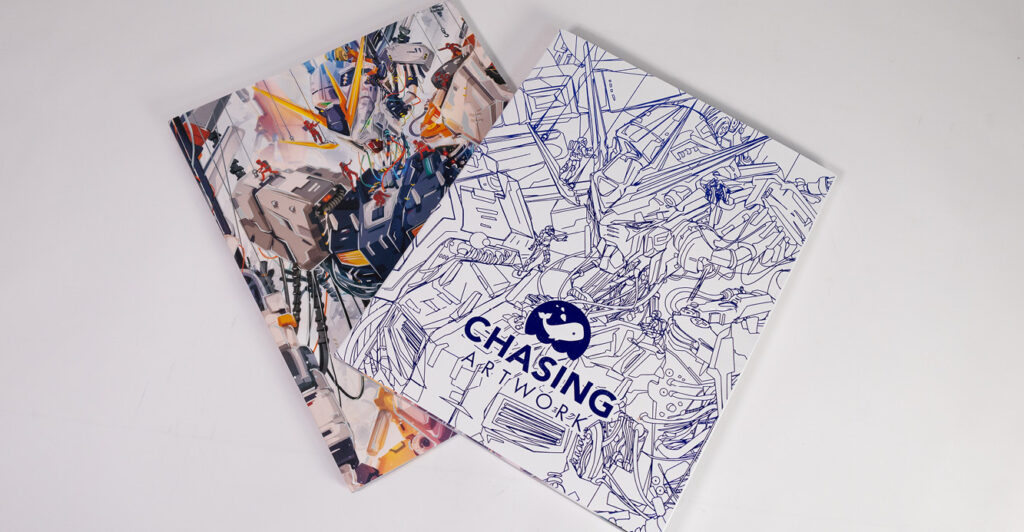
Chasing Artwork Volume 005 is a great example. The limited edition paired a velvet-laminated cover with subtle silver foil and a custom sleeve featuring contrasting blue foil. A traditional slipcase was considered, but the sleeve provided the right balance of cost and impact while still giving collectors something special.
The goal isn’t to add more. It’s to figure out which details will matter most.
THINK ABOUT THE WHOLE PACKAGE
The strongest special editions feel connected from beginning to end. Cover materials, paper, binding, edges, finishing, and packaging can all work together rather than competing for attention. That’s also why it helps to think about these elements early. Specialty packaging may require additional production time, especially when hand assembly or physical prototypes are involved.
Sprayed edges are another good example. Instead of treating the edge as a last-minute decoration, it can be considered alongside the cover and overall design so the finished book feels like one cohesive piece.
MAKE IT WORTH KEEPING
There will always be books we buy simply because we want to read them. Then there are the books we display on a shelf. The signed copies we hang onto. The beautiful editions we give for birthdays, holidays, anniversaries, milestones, or simply because we know someone will love them.
The content is still at the heart of the book. But thoughtful materials, finishing, binding, and packaging can give the reader something more. They make the book itself part of the experience. And that’s when a book becomes a gift.