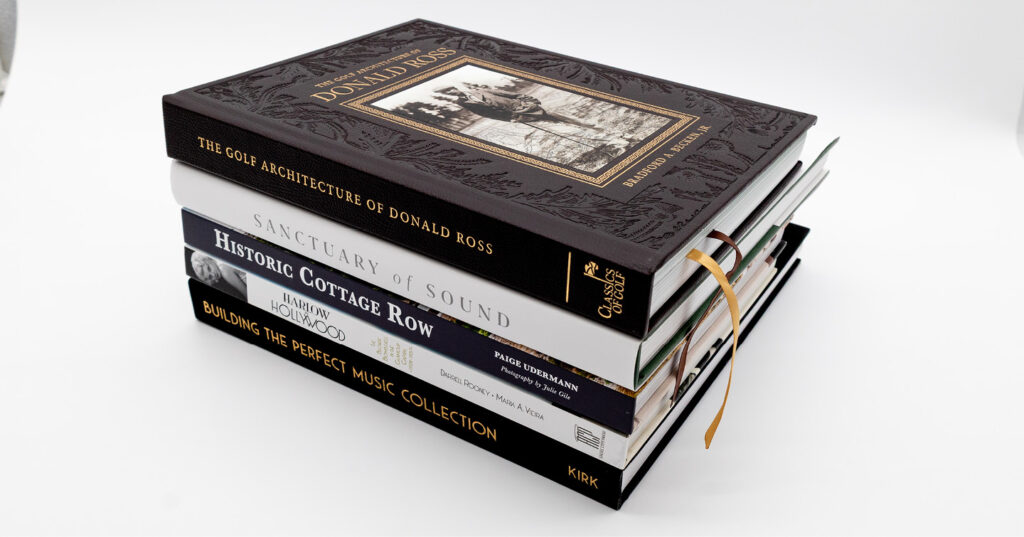
You’ve heard the saying, “don’t judge a book by its cover.” We hate to break it to you, but readers absolutely do.
A great cover design helps attract attention, but the finishing touches are often what makes someone pick up a book, run their hand across it, and spend a few extra seconds taking a closer look. Those moments matter! In a bookstore, at a conference, or even in an online unboxing video, specialty cover treatments can help a title feel more polished, more memorable, and more valuable.
The good news is that you don’t need a huge budget or elaborate design to create that effect. Sometimes a single enhancement is enough to make a book stand out.
Let’s take a look at some of the most popular options publishers are using today.
VELVET SCUFF-RESISTANT LAMINATION
If you’ve ever picked up a book that felt velvety smooth, chances are it had velvet scuff-resistant lamination. This finish adds a soft, almost suede-like texture to the cover while also protecting it from scuffs and wear. It’s become a favourite for everything from literary fiction and photography books to premium non-fiction titles.
Velvet scuff-resistant lamination works especially well when paired with foil stamping or spot gloss UV because it creates a contrast readers can both see and feel.

FOIL STAMPING
Foil stamping is one of the easiest ways to add a little drama to a cover. Using heat and pressure, metallic or coloured foil is applied to specific design elements such as the title, author name, or a decorative graphic. Gold and silver remain popular choices, but publishers are increasingly experimenting with holographic, matte, and coloured foils as well.
Foil works best when it’s used intentionally. A small foil accent can often create more impact than covering an entire cover with metallic effects. Think of it as the jewelry of book design. A little goes a long way.
SPOT GLOSS UV
Spot gloss UV is all about contrast. A clear glossy coating is applied only to selected parts of the cover, creating areas that catch the light while the rest of the cover remains matte. Publishers often use it to highlight titles, illustrations, patterns, or logos.
One of the reasons this treatment is so popular is that it’s subtle. The effect isn’t always obvious from a distance, but when light hits it just right, the design suddenly comes to life.
For many publishers, combining spot gloss UV with a velvet scuff-resistant laminated cover creates the perfect balance of elegance and visual impact.
EMBOSSING & DEBOSSING
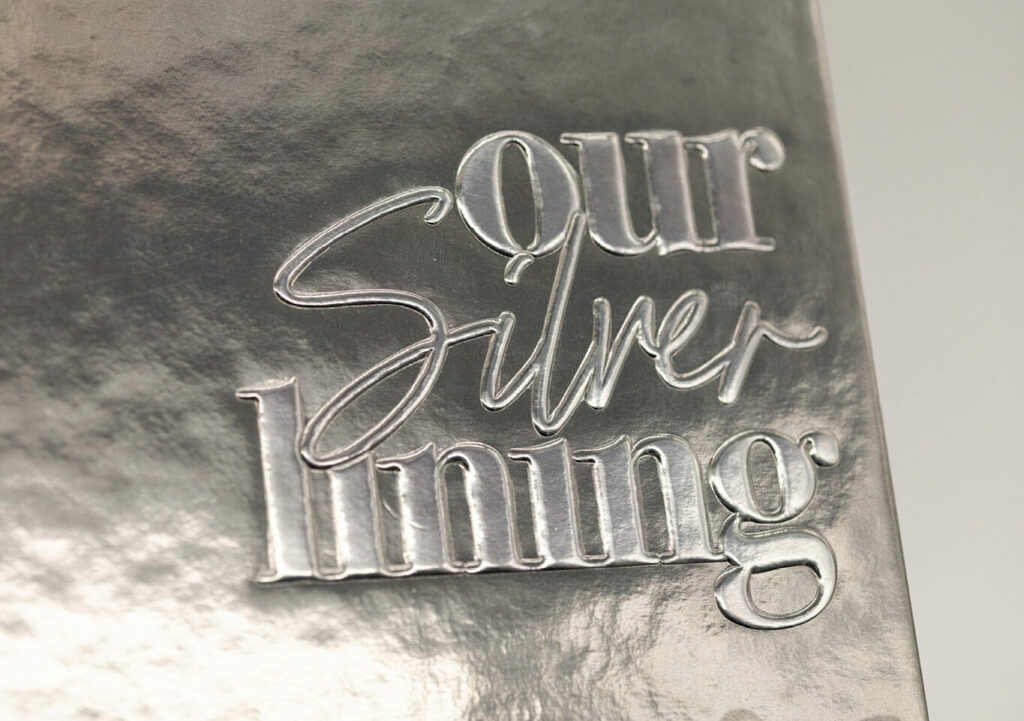
Sometimes the best cover enhancements are the ones you can feel. Embossing raises a design element above the surface of the cover, while debossing presses it into the material. Both add dimension and texture that help create a more tactile reading experience.
A title that sits slightly raised from the cover. A logo pressed into a hardcover case. A pattern that readers discover as they run their fingers across the design. These details might seem small, but they often leave a lasting impression.
GLOSS LAMINATION
Not every book needs a soft-touch finish. Sometimes the goal is bold colour and visual energy. Gloss lamination enhances colour vibrancy and creates a reflective surface that makes photography and illustrations pop. It’s a popular option for children’s books, cookbooks, art books, and highly visual projects.
If your cover design relies on rich imagery and vibrant colours, gloss lamination is often the right place to start.
SPRAYED EDGES
Sprayed edges have exploded in popularity over the last few years, especially in genres like fantasy and romance. Instead of leaving page edges white, colour or artwork is applied directly to the book block. The result is a book that looks special even when it’s closed and sitting on a shelf.
For collector’s editions, special releases, and books designed to generate excitement on social media, sprayed edges can create a real wow factor.

TEXTURED PAPERS & SPECIALTY MATERIALS
Sometimes the material itself becomes part of the design. Textured papers, linen finishes, faux leather substrates, and specialty cover stocks can create a unique look and feel without relying on additional coatings or treatments. These options are especially popular for gift books, limited editions, journals, and premium nonfiction.
The right substrate can communicate craftsmanship and quality before a reader even opens the cover.
BRINGING IT ALL TOGETHER
One of the questions publishers often ask is, “What’s the best cover treatment?” The answer depends on the book.
A literary novel might benefit from velvet scuff-resistant lamination and a subtle debossed title. A collector’s fantasy edition may call for foil stamping, embossed details, and sprayed edges. A cookbook might be best served by vibrant gloss lamination and spot UV accents.
The goal isn’t to use every enhancement available. It’s to choose the ones that support the story you’re trying to tell. Because long before readers experience the words inside, they’re already forming an impression of the book in their hands. The right cover treatment helps make that first impression count.